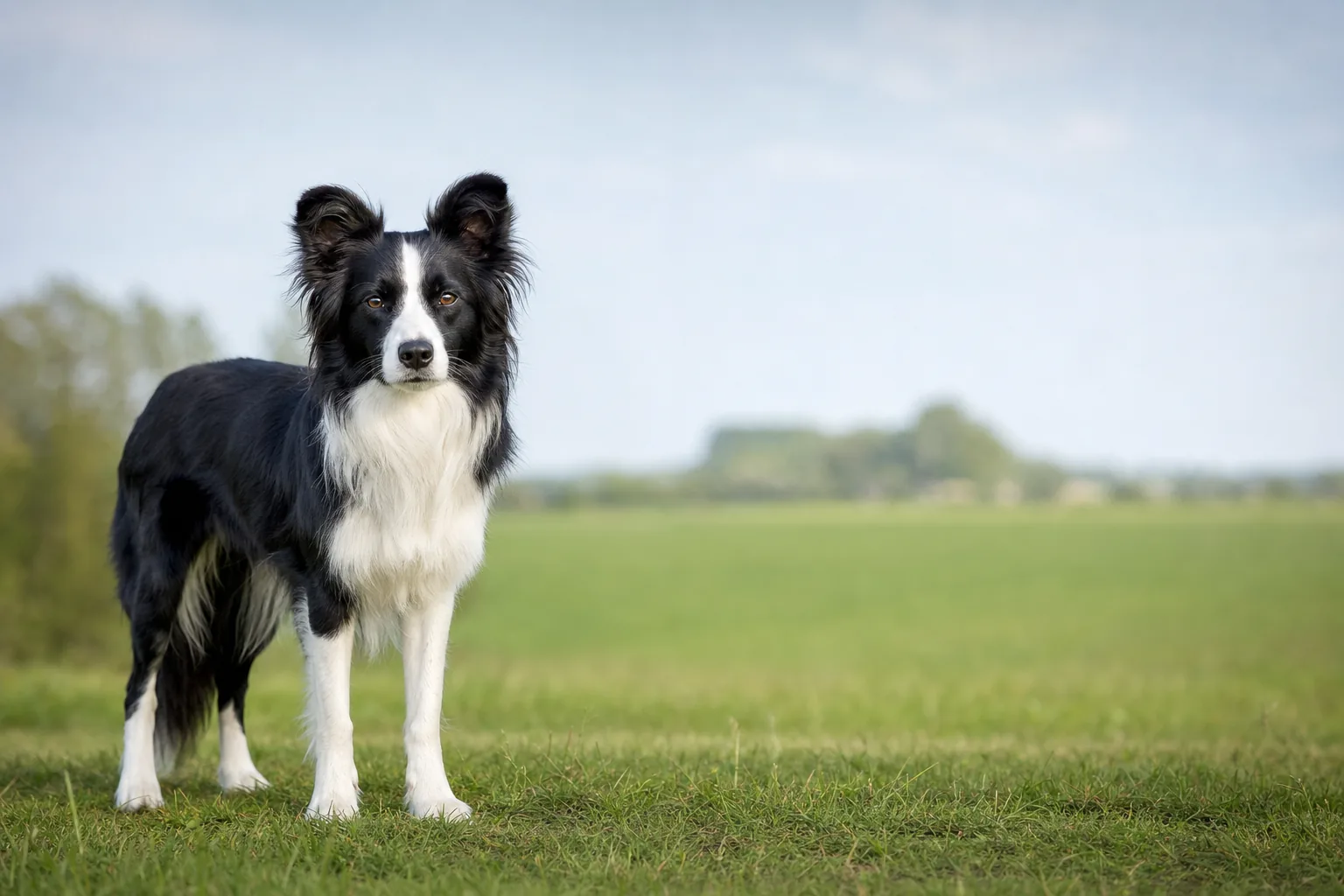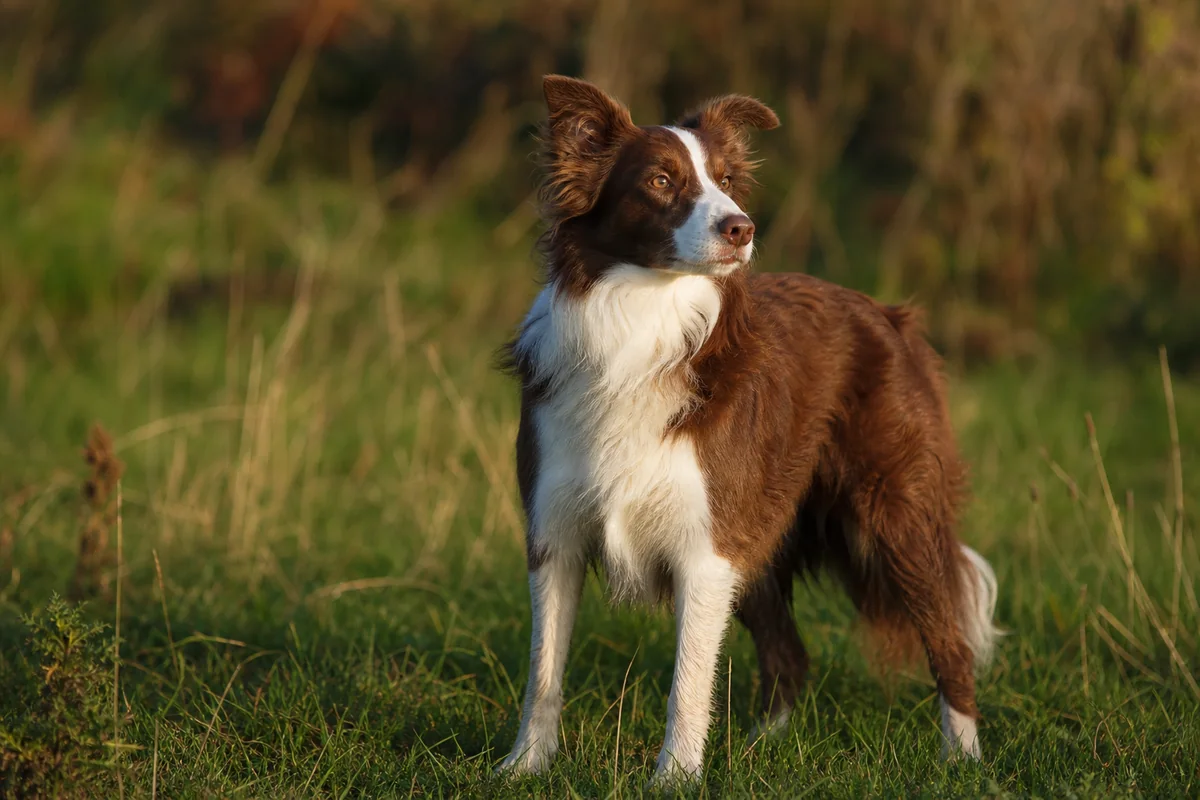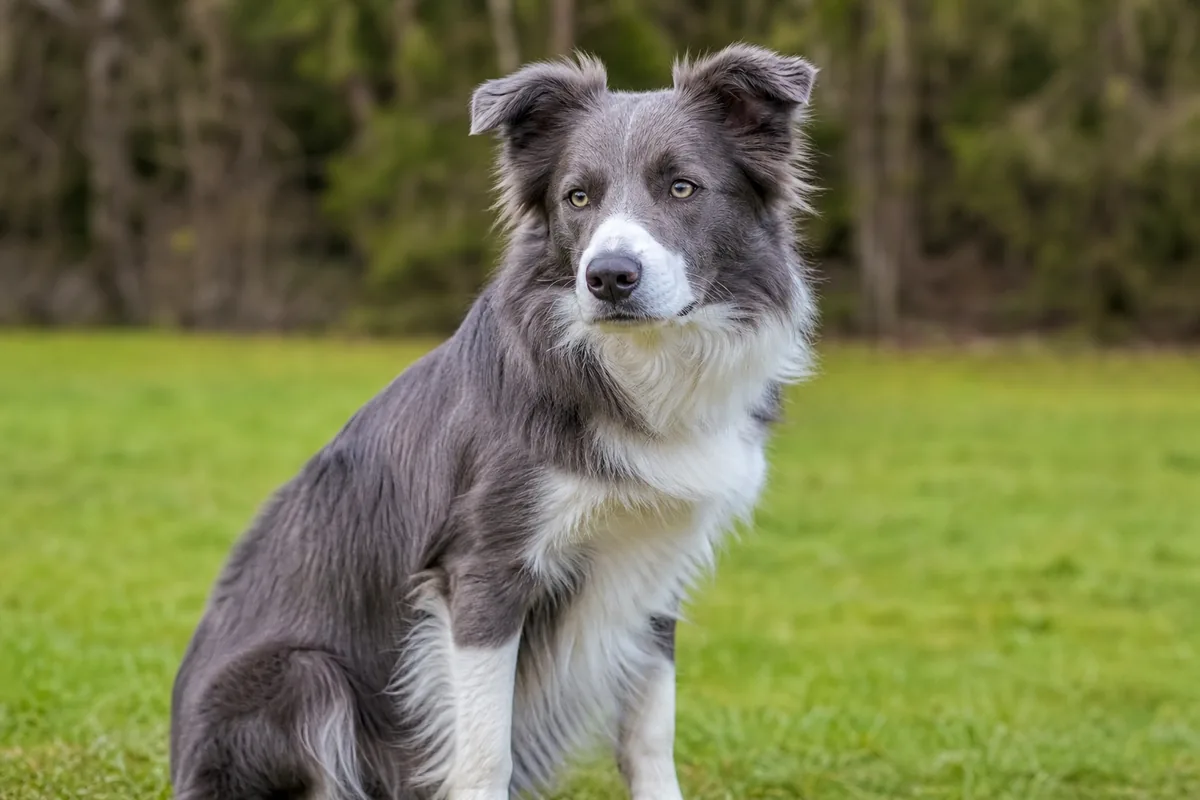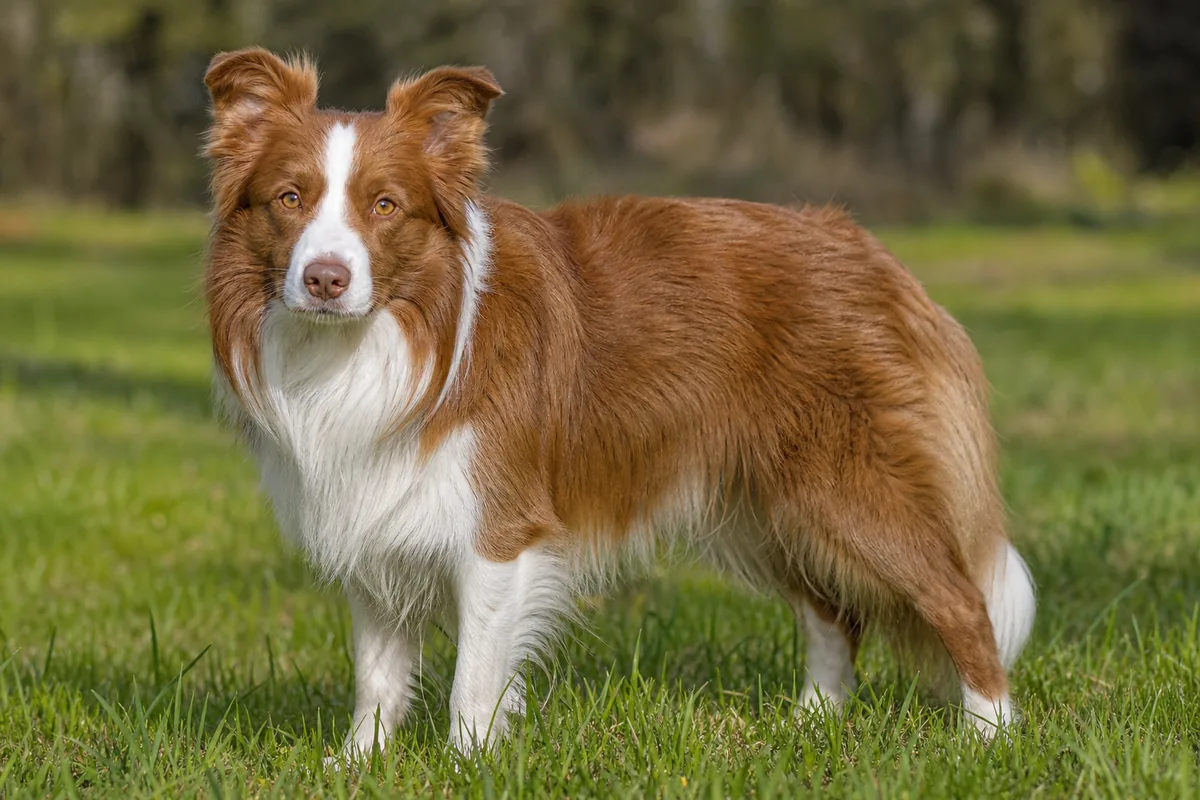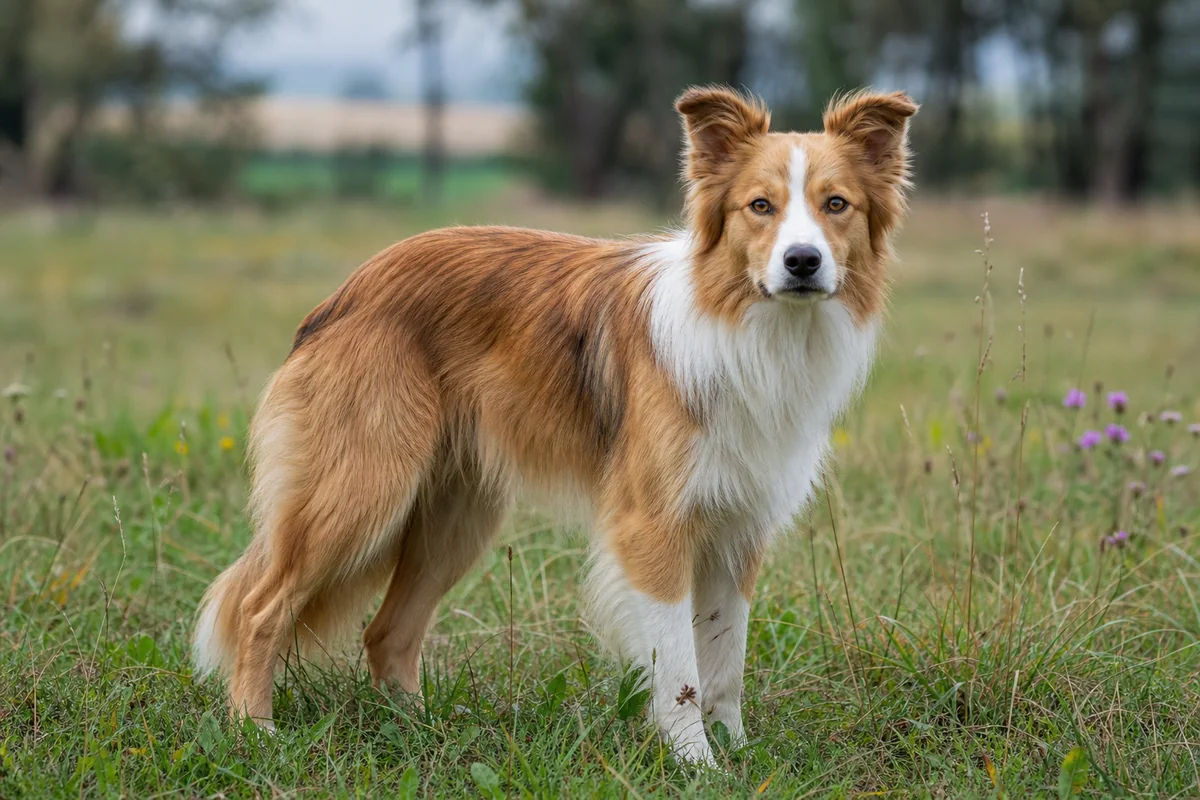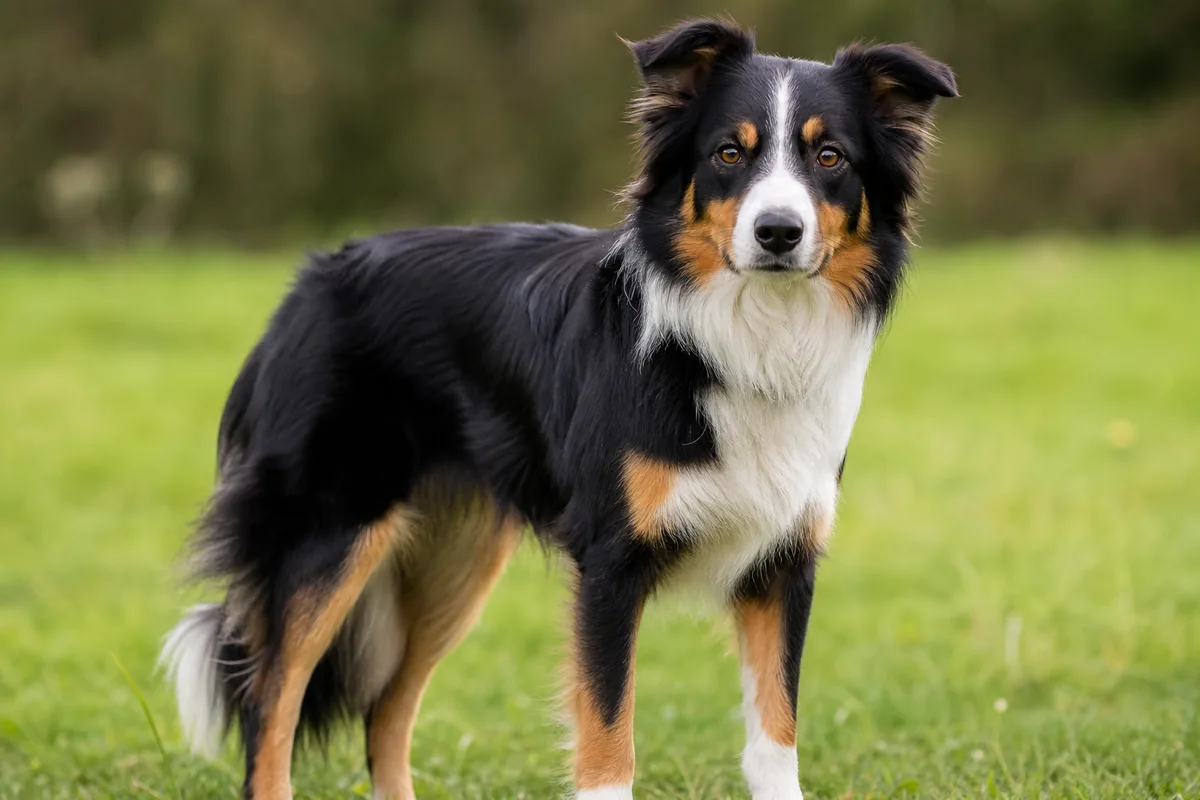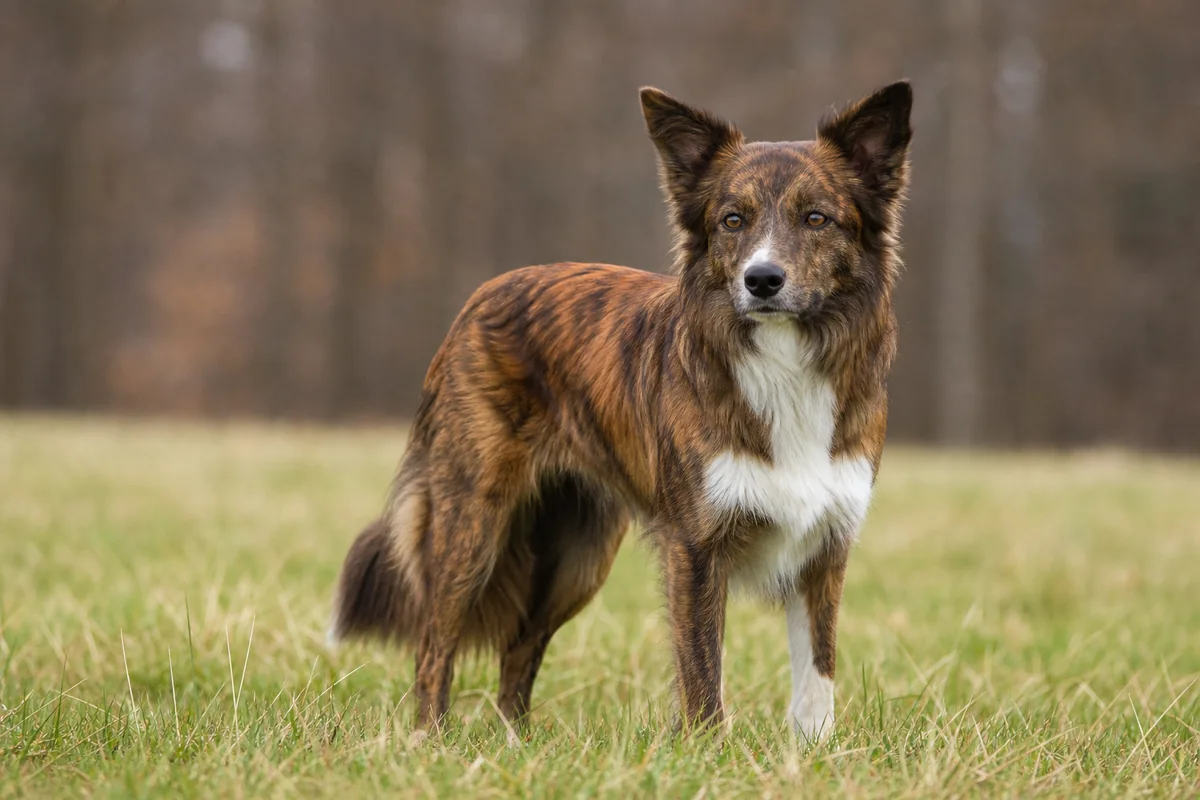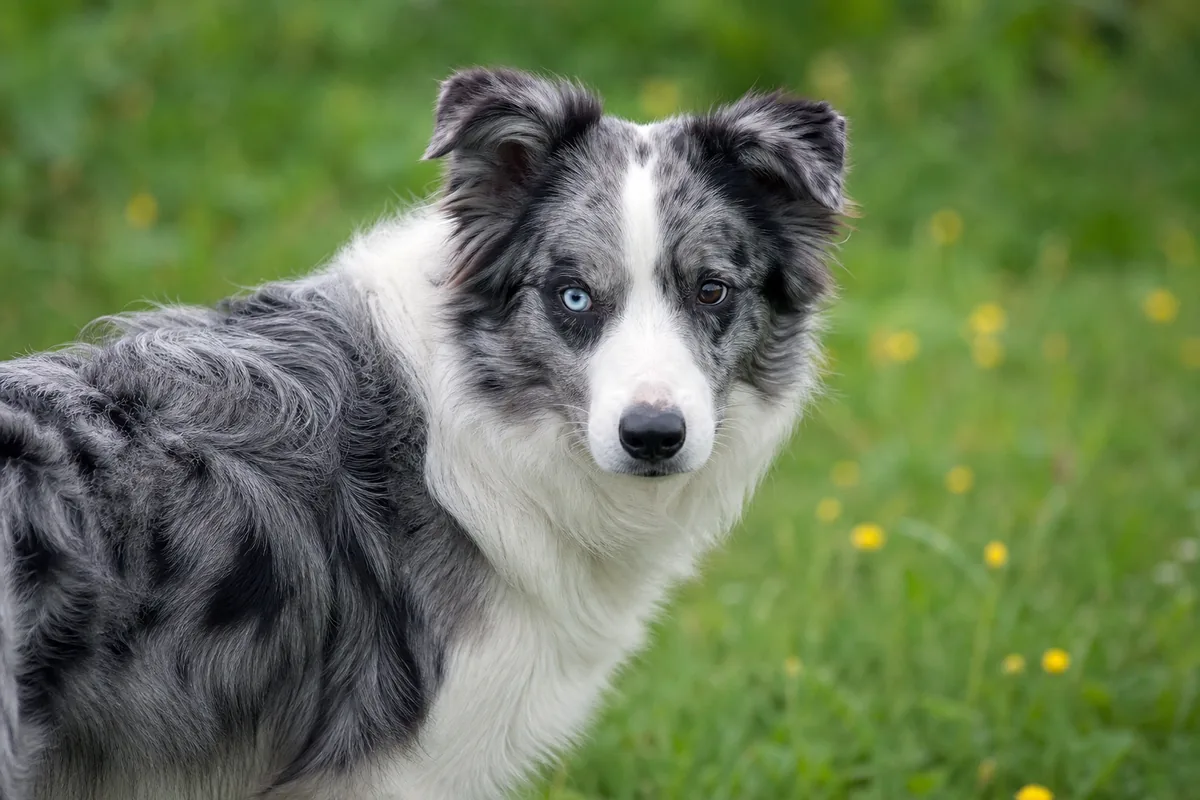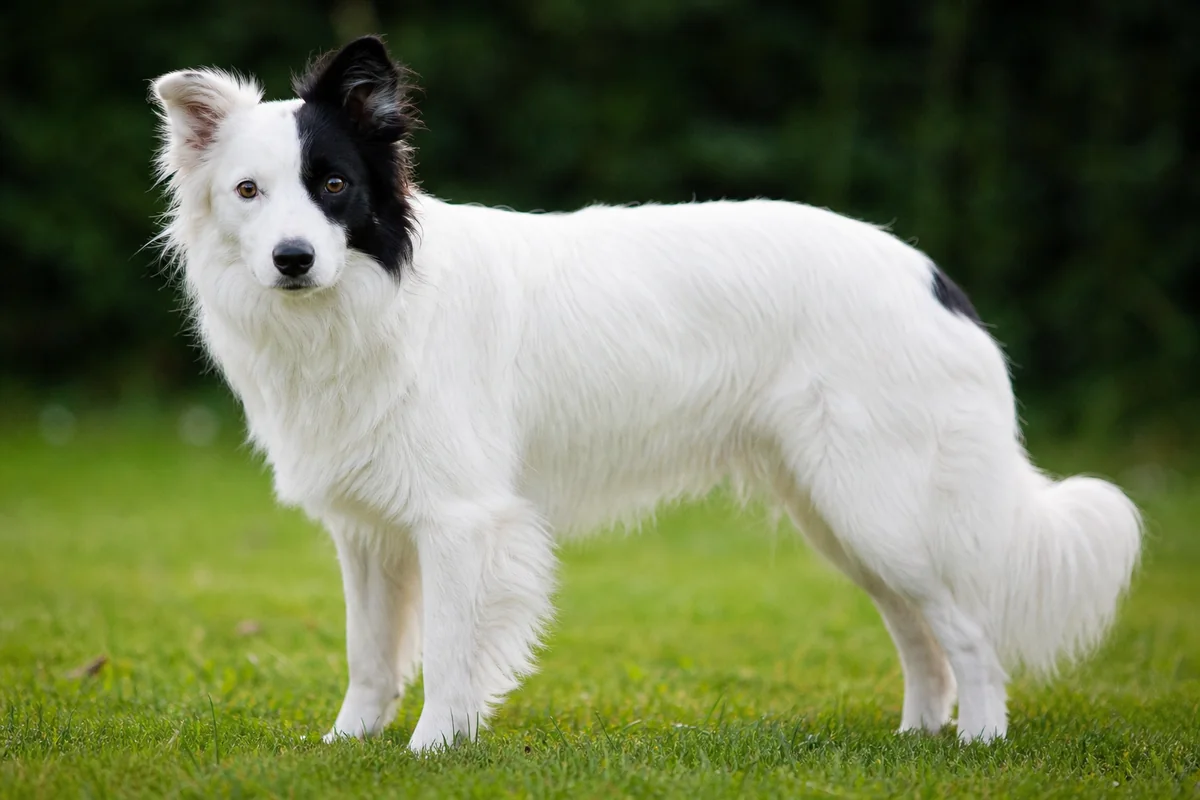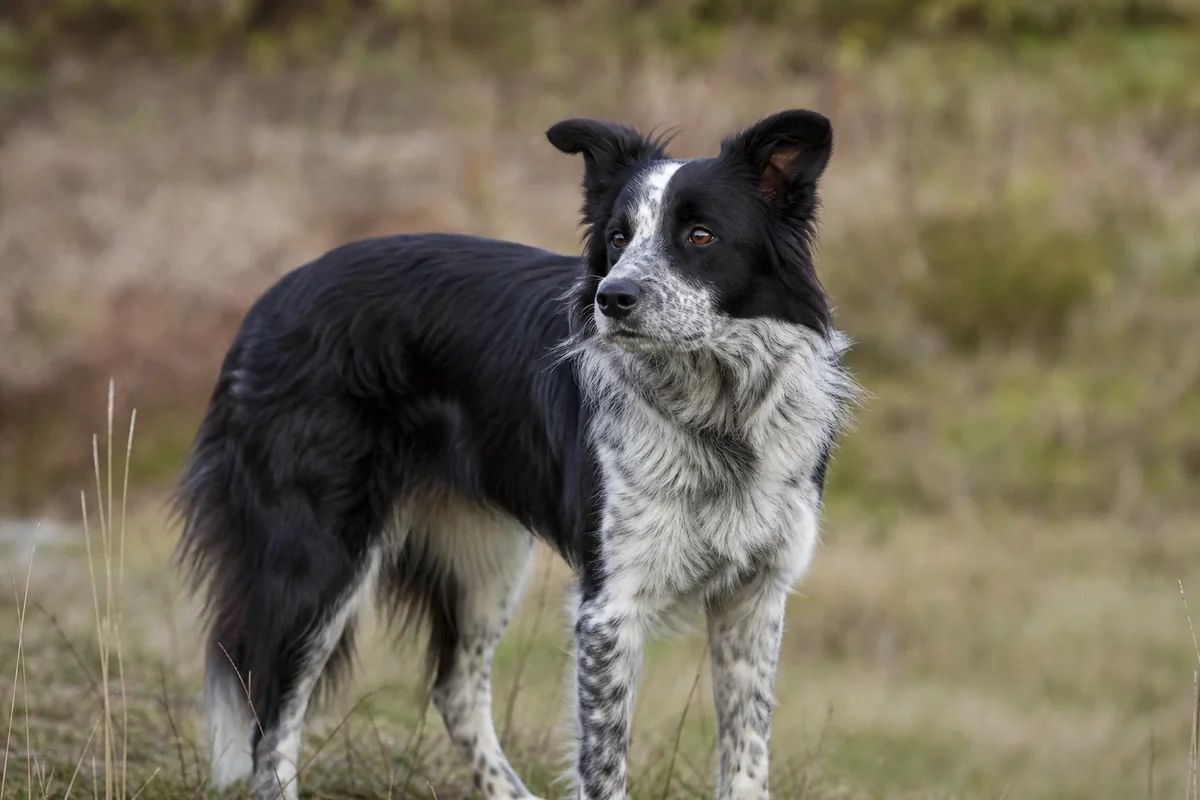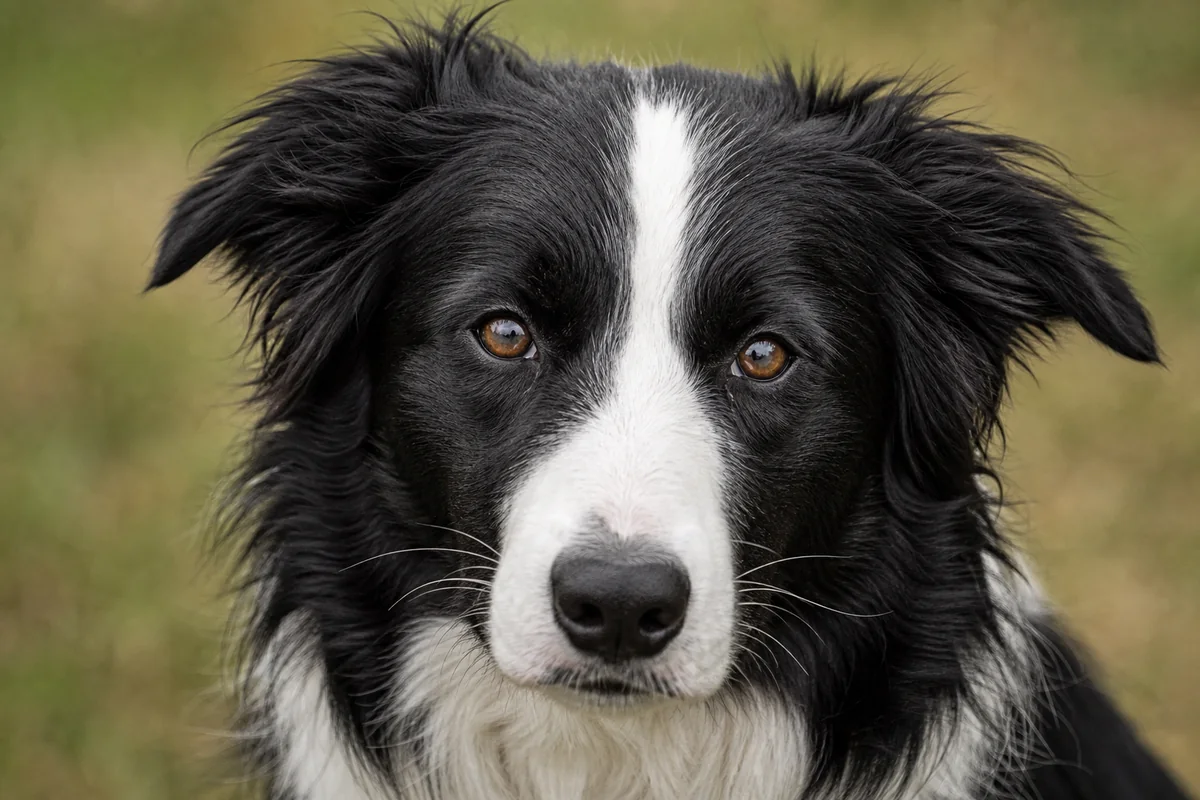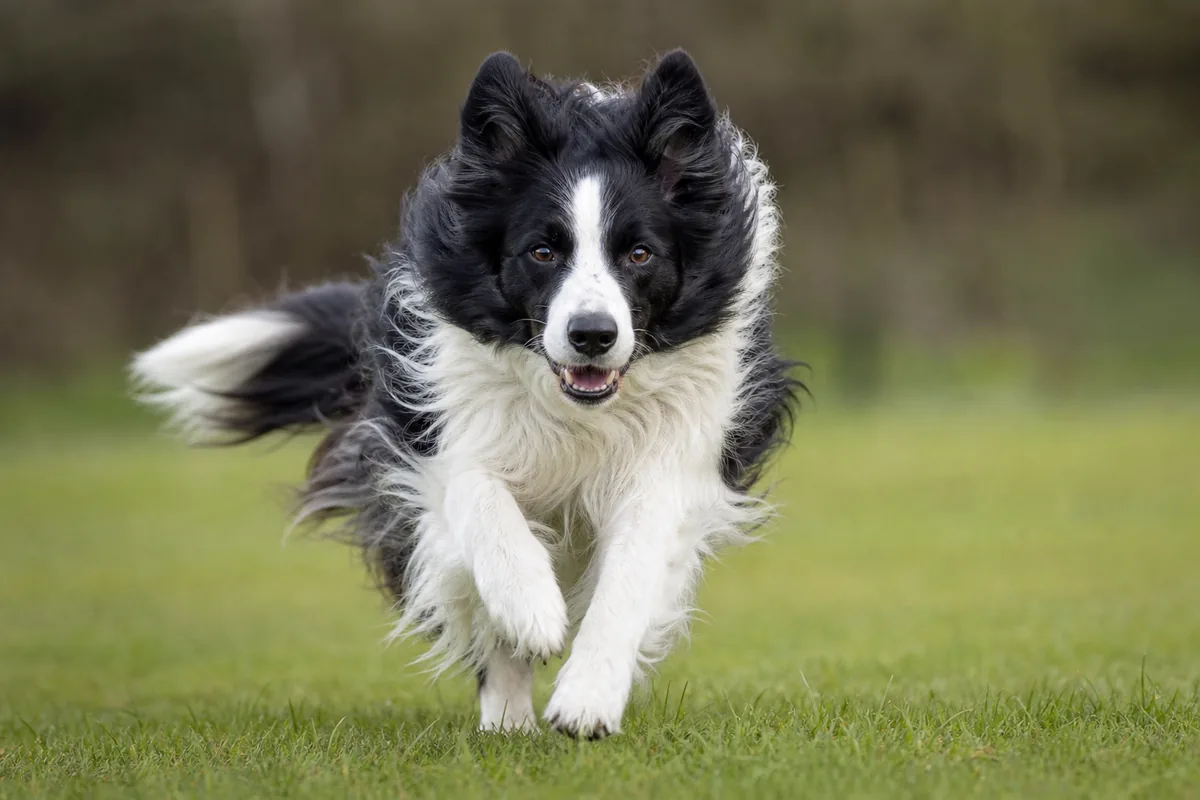
Start with a useful distinction: a coat colour is something you can describe, while a genotype is a hypothesis about inherited variants. This guide gives you a vocabulary for asking better questions. It is not a colour calculator, a health diagnosis or a recipe for a mating.
What this map is trying to explain
A Border Collie's coat is the visible result of pigment cells, hair growth, inherited variants and interactions between gene systems. The simplest teaching model begins with two pigments. Eumelanin is the black-based pigment that may appear black, brown or a diluted blue-grey. Phaeomelanin is the red-to-yellow pigment, expressed in a range of shades. The UC Davis Veterinary Genetics Laboratory basic panel describes the MC1R and ASIP systems as important controls of how these pigments are produced, switched and distributed.
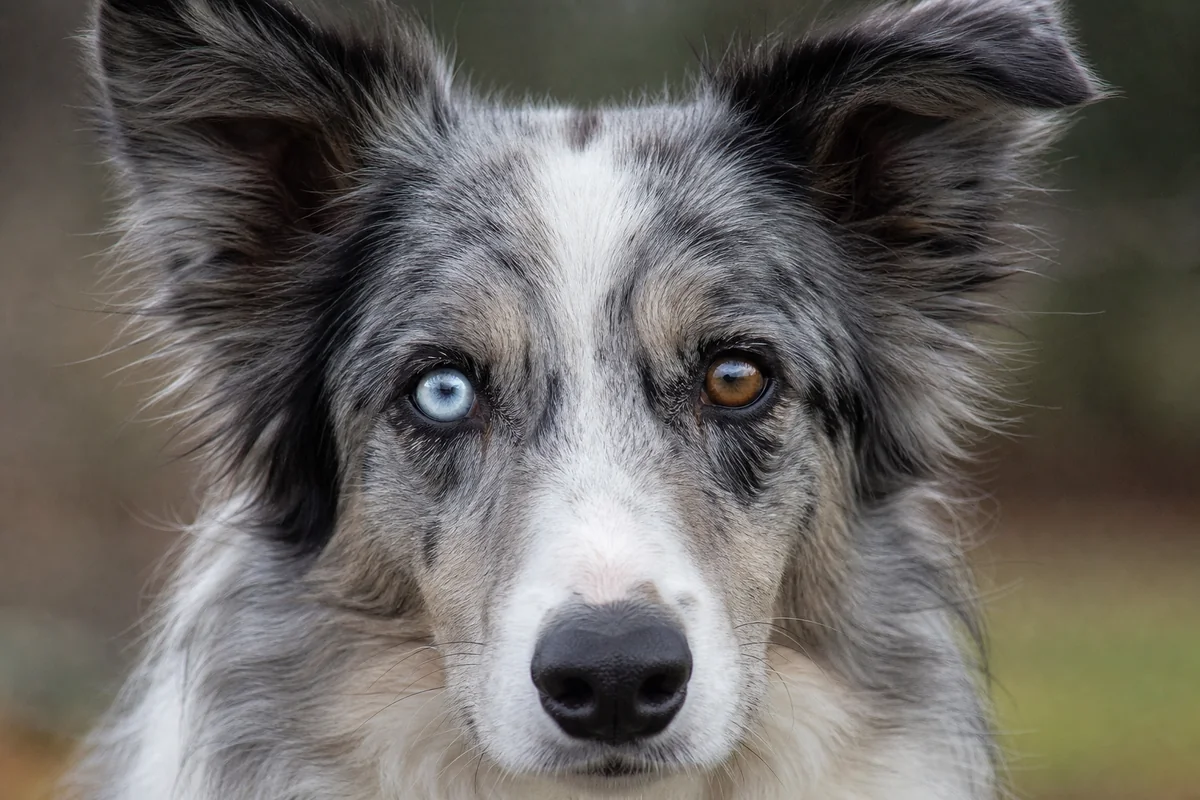
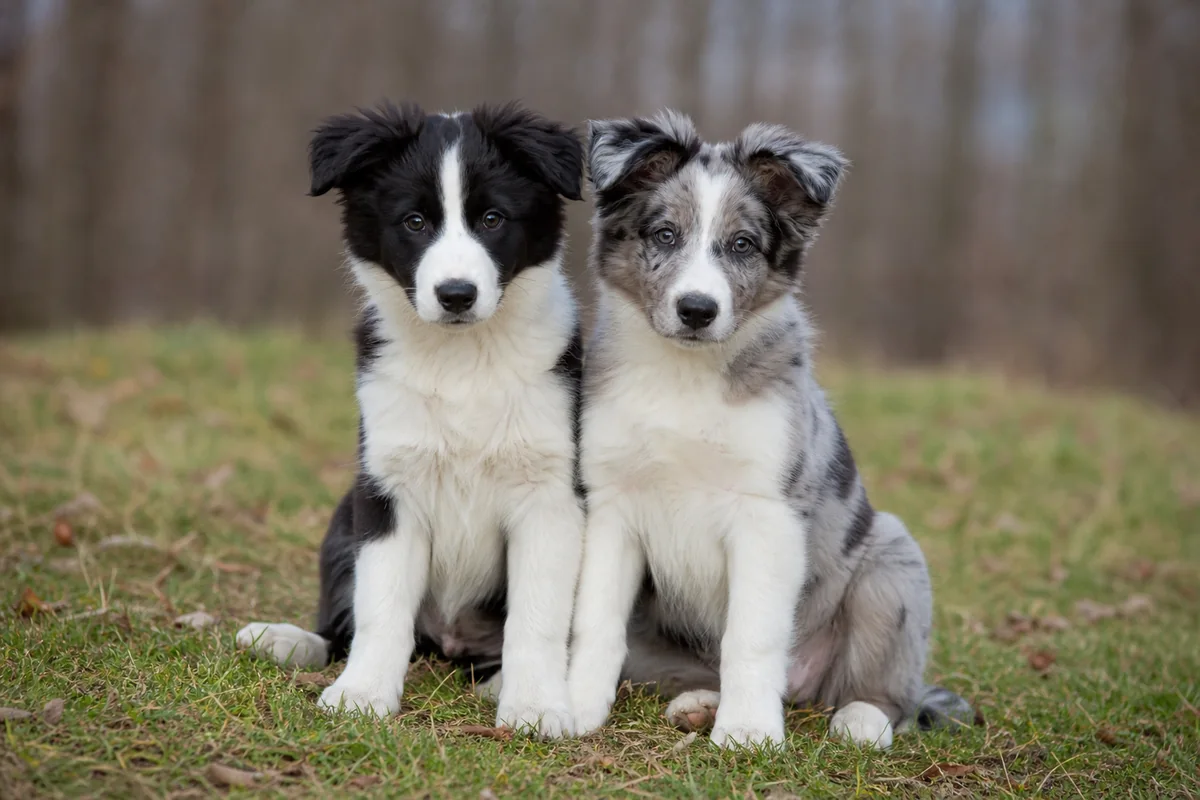
That model is useful because it separates a pigment from the pattern that places it. It is also deliberately incomplete. Coat appearance is affected by age, sun, coat length, lighting, camera processing and the way one locus masks another. A puppy's warm brown photograph is not a laboratory result. A label such as “blue,” “red” or “white” should be treated as a description to investigate, not proof of a particular allele.
Loci are signposts, not a universal code
A locus is a location in the genome where variants are discussed. People often write a capital letter for a locus and lower-case letters for an allele, but nomenclature is not perfectly uniform across breeds, laboratories or publications. The same visual effect can involve more than one variant, and a test marketed for one breed may not answer every question in another.
The UC Davis dog coat colour resource is a helpful companion because it explains interactions rather than presenting a single “colour gene.” The linked pages on this site use familiar shorthand to make exploration easier, but they should not be read as a complete catalogue of every allele or modifier.
Why a photograph cannot predict a genotype
Phenotype is what you can see; genotype is the inherited information behind it. They overlap, but they are not interchangeable. A black-and-white dog may carry recessive variants that are invisible in its own coat. An apparently red dog may have pigment information hidden by an interaction at another locus. White areas can obscure the pigment that would have been visible in those hairs. Even the nose and eye rims provide clues, not certainty.
For a serious question, write down the exact question before choosing a test: are you checking a named variant, confirming parentage, investigating a health concern or satisfying curiosity? Read the laboratory's breed coverage, test limitations, sample requirements and interpretation notes. A result can be technically correct and still fail to answer the question you meant to ask. A veterinarian, veterinary geneticist or suitably qualified genetic counsellor can help when the result has a health or welfare consequence.
Use a three-column note
Record observed (what the coat, nose and eyes look like), documented (pedigree description or laboratory result) and inferred (your working explanation). Keep those columns separate. This small habit prevents a confident colour label from quietly becoming a claimed genotype.
Colour is not the breed standard
The American Kennel Club's Border Collie breed information and its judges' study guides place colour within a broader description of a working breed: structure, movement, coat, temperament and function all matter. A colour can be visually striking without being preferred, disfavoured or addressed in the same way by every registry. Check the standard for the registry and country relevant to your question; do not turn a website label into a show verdict.
Colour does not establish intelligence, trainability, temperament, working ability or the quality of a relationship. It cannot tell you whether an individual dog is a good fit for a home. If you are choosing a companion, evaluate health history, behaviour, environment and support. If you are considering breeding, colour is only one small part of a welfare-led decision and must not replace health screening, temperament assessment, structure, genetic diversity and professional advice.
Health context: be precise and individual
Some pigment patterns can make health questions worth discussing, but “colour causes disease” is usually too blunt. The Merck Veterinary Manual overview of deafness in dogs explains that congenital deafness has multiple causes and needs individual assessment. A merle pattern does not automatically mean a dog is deaf, and a white marking does not diagnose hearing loss. When hearing is a concern, the Royal Kennel Club's BAER testing guide explains the purpose of an objective auditory test. A veterinarian can advise on the right route.
Research should be read with the same care. For example, the peer-reviewed study indexed as “Prevalence of deafness in dogs with merle coat pattern” addresses a population question; it does not predict the hearing of an individual from a photograph. The responsible conclusion is neither alarm nor reassurance from colour alone: observe the dog, obtain appropriate clinical testing and keep claims proportional to evidence.
How to use the rest of this site
Choose a page by the question you have, not by the promise of a definitive label. Start with black for eumelanin basics, then compare brown, dilute and ee red as different ways pigment can be changed or hidden. Use merle, white spotting and face markings for pattern language, and nose and eye colour only as visual context. For coat maintenance, see coat types.
At each step, ask: Is this a visible observation or a genetic claim? Is the source current and relevant to Border Collies? Could another locus, age or lighting explain the same appearance? If the answer matters for welfare, testing or a major decision, stop at the map and seek qualified help.
Frequently asked questions
Can a photograph prove a Border Collie's genotype?
No. A photograph records phenotype under particular conditions. It cannot reliably show hidden alleles, and masking or modification can make different genotypes look similar. Use documented records or an appropriate DNA test when genotype matters.
What do B, D, E and M mean?
They are shorthand for loci or gene systems used in canine coat-colour discussions. The letters are a learning map, not a complete universal code; allele names, variants and test coverage differ by locus and laboratory.
Does a rare colour mean a healthier or better dog?
No. Colour does not establish health, temperament, working ability or quality. Treat it as one descriptive trait and evaluate the individual dog on welfare-relevant evidence.
Is every white marking controlled by one S-locus allele?
No. White spotting has a complex, non-uniform genetic basis across dogs. Extent and symmetry cannot be reduced to one simple visual rule.
Does merle automatically mean a dog is deaf?
No. Colour alone is not a diagnosis. If hearing is in question, discuss an individual assessment and whether a BAER test is appropriate with a veterinary professional.
Can this guide tell me which dogs to mate?
No. It explains concepts and points to evidence. Any breeding decision should consider health testing, temperament, structure, genetic diversity, the relevant standard and qualified veterinary or reproduction advice.
Sources and further reading
This introduction is deliberately anchored in sources that explain canine genetics, breed description or clinical assessment:
- UC Davis Veterinary Genetics Laboratory: Dog Coat Color Basic Panel.
- UC Davis Veterinary Genetics Laboratory: Dog Coat Color and Type.
- OMIA: Coat colour, merle in the domestic dog.
- American Kennel Club: Border Collie.
- American Kennel Club: Judges' Study Guides.
- Merck Veterinary Manual: Deafness in Dogs.
- The Royal Kennel Club: BAER testing.
- Peer-reviewed study indexed by PubMed: deafness and merle coat pattern.
The same habit of separating what is heard from what is measured runs through a field note on microphone distance and loudness.